Artemis II Is an Engineering Marvel — and a $100 Billion Case for Privatizing Space
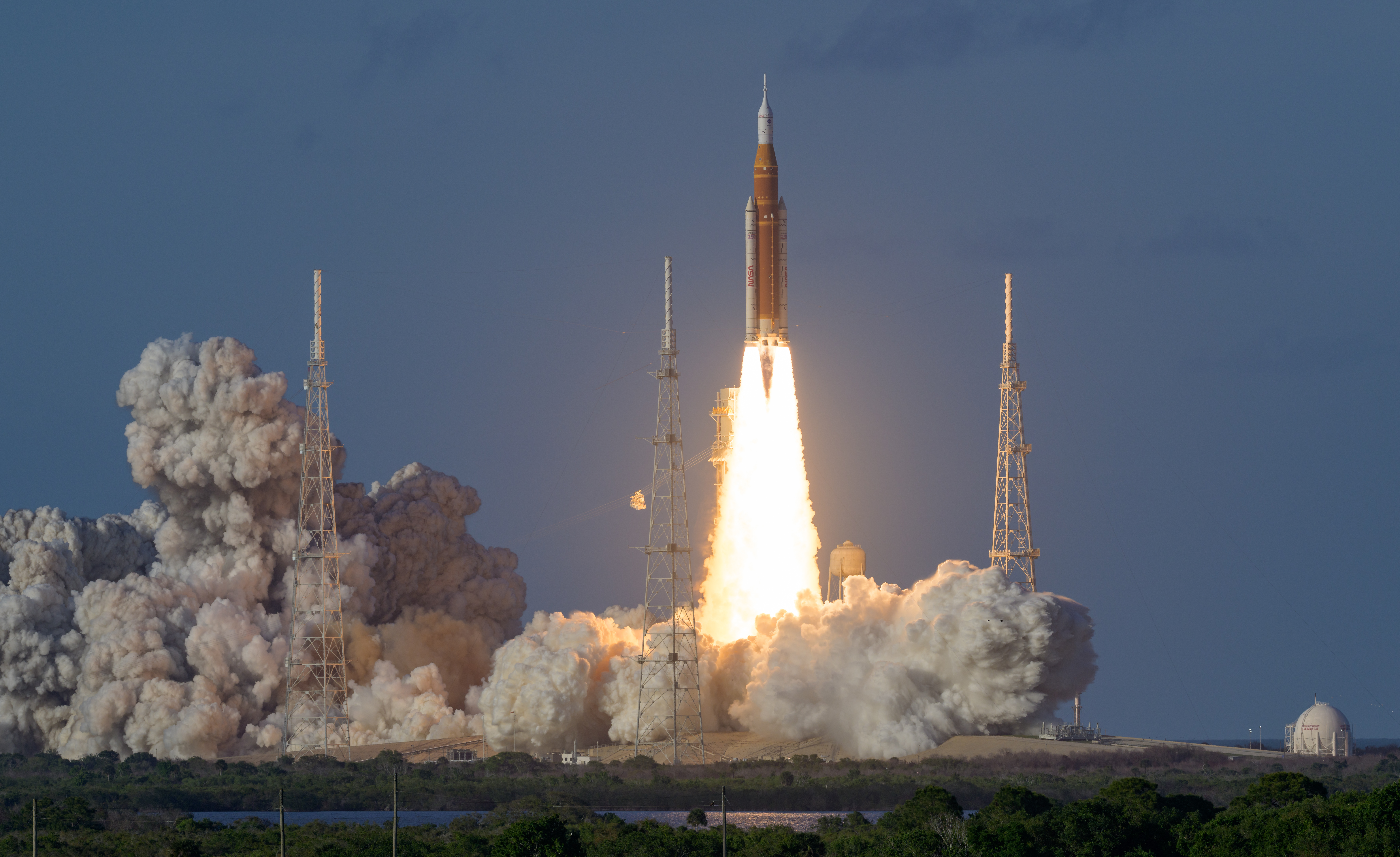
Yesterday four astronauts — Reid Wiseman, Victor Glover, Christina Koch, and Jeremy Hansen — blasted off from Kennedy Space Center on the first crewed lunar flyby in over 50 years. It's genuinely awe-inspiring. Humans are heading back toward the Moon, and the engineering that made it possible is extraordinary.
But let's talk about the price tag.
The Artemis program has now consumed over $93 billion in taxpayer funds, with the GAO projecting it will blow past $100 billion. Each SLS launch runs about $4 billion — a figure that ballooned from an original projection of $500 million per flight. That's not a rounding error. That's an 8x cost overrun baked into the design of a program steered more by Congressional district politics than engineering efficiency.
Meanwhile, private companies are launching reusable rockets for a fraction of the cost, iterating faster, and doing it without forcing a single taxpayer to foot the bill. The contrast is damning: government monopoly produces cost-plus contracts, jobs programs disguised as space policy, and decade-long delays. Market competition produces rapid innovation and plummeting costs.
None of this means the mission isn't worth doing. Space exploration is one of humanity's most inspiring pursuits. The question is whether it requires the coercive machinery of taxation and bureaucratic management — or whether voluntary investment, profit-driven innovation, and genuine competition could do it better, faster, and without the political baggage.
History suggests the answer. Before heavy federal involvement post-WWII, science and rocketry advanced through private foundations, entrepreneurs, and voluntary funding. Today the private sector has proven it can carry the torch. Artemis II itself relies heavily on private contractors — it just routes the money through a bloated government middleman first.
What You Can Do
The conversation is shifting. More Americans across the political spectrum are questioning whether legacy programs like SLS deserve continued blank-check funding when private alternatives exist. Here's how to push it further:
- Contact your representatives and ask why they continue funding a $4 billion-per-launch rocket when commercial alternatives cost orders of magnitude less. Find your rep here.
- Support organizations like the Reason Foundation and Cato Institute that publish detailed policy work on privatizing space.
- Share the numbers. Most people have no idea how much Artemis costs. The sticker shock alone changes minds.
Celebrate the astronauts. Celebrate the science. Then demand that the next giant leap is powered by free people spending their own money — not yours.
Loading comments...