Cuba Opens Door to U.S. Talks — A Step Toward Sovereignty and Self-Determination?
In a notable development this past week, Cuba publicly confirmed high-level diplomatic talks with the United States — a move that deserves attention from anyone who values sovereignty, self-determination, and peaceful resolution of disputes.
What happened:
On March 12, Cuba's ambassador in Washington, Lianys Torres Rivera, stated that Havana is "ready to engage" with the U.S. on bilateral issues, stressing respect for sovereignty and self-determination. "We are sure that it is possible to find a solution," she said.
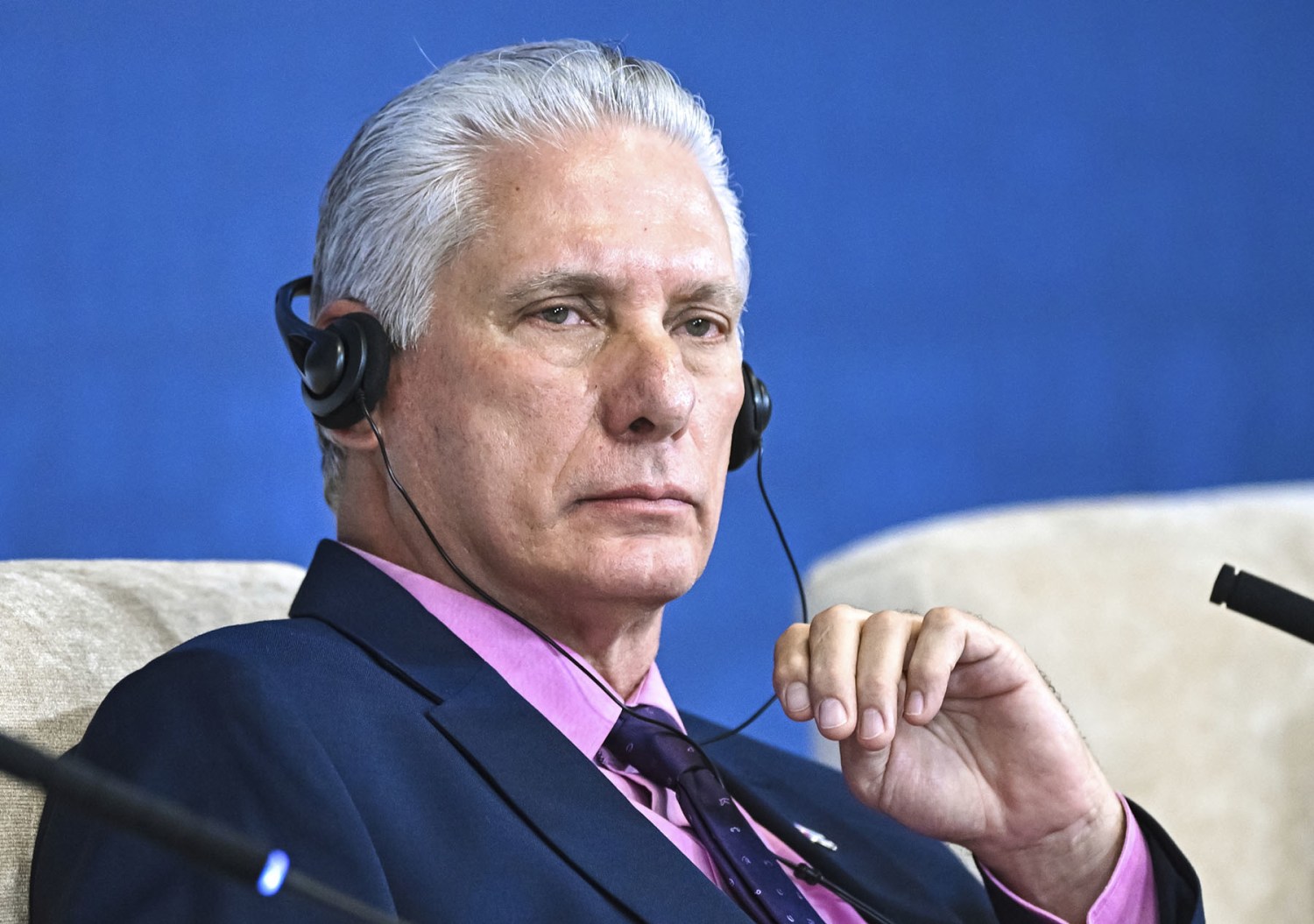
The following day, President Miguel Díaz-Canel confirmed that Cuban officials — including Raúl Castro — had held conversations with Trump administration representatives. The stated goals include:
- Identifying bilateral problems needing solutions
- Finding areas for concrete actions benefiting both peoples
- Exploring cooperation on security, threats, and regional peace in Latin America and the Caribbean
These talks are described as occurring on the basis of equality, mutual respect, reciprocity, and international law — principles any liberty-minded person should champion.
Why this matters for liberty:
Regardless of one's views on Cuba's government, the principle at stake here is fundamental: nations should resolve their differences through dialogue, not coercion. The U.S. "maximum pressure" campaign — blocking oil shipments and openly predicting regime change — represents the kind of heavy-handed interventionism that undermines both Cuban and American liberty.
Free trade, open dialogue, and non-intervention are core tenets of a free society. When governments use economic warfare to strangle entire populations into submission, it's the people — not the politicians — who suffer most.
Other regional developments:
- Ecuador expelled Cuba's ambassador and staff, marking a rupture in relations
- Cuba ended its long-standing medical cooperation program with Guyana over a payment dispute
- Cuba announced the release of 51 prisoners as a gesture of goodwill, citing its relationship with the Vatican
No major breakthroughs have been announced yet — these talks remain exploratory. But the willingness of both sides to engage publicly is itself significant. Peaceful diplomacy should always be preferred over threats and sanctions.
What do you think — should the U.S. pursue normalized relations with Cuba, or is "maximum pressure" the right approach?
Loading comments...