The Jones Act Got Waived. Puerto Rico Then Got More Mainland Propane Than in the Previous 22 Years Combined.
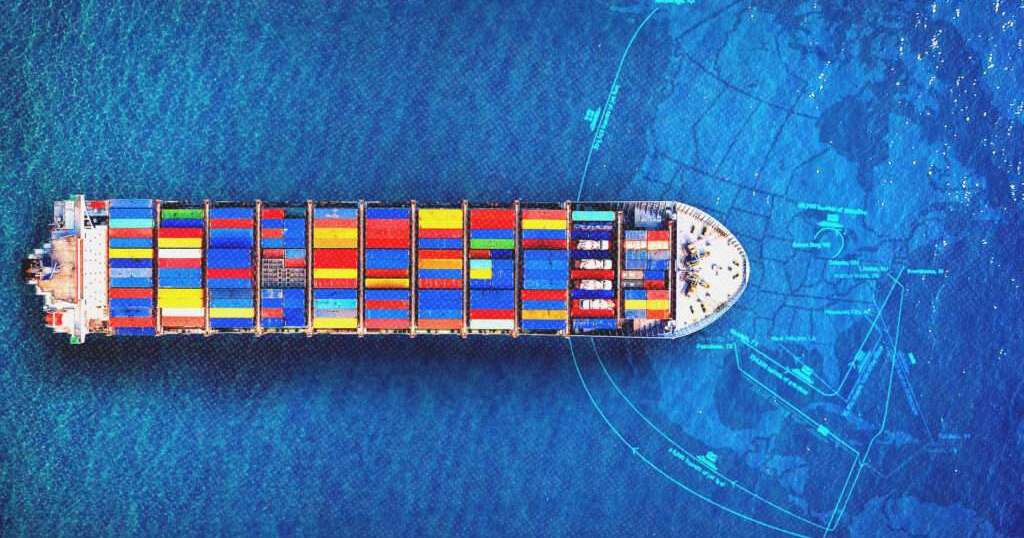
The Jones Act is a 1920 law that says anything shipped between two U.S. ports has to ride on an American-built, American-crewed ship. There are almost no such ships that can carry gas, so for decades Puerto Rico bought propane from Nigeria and Chile, California imported gasoline from as far away as the Bahamas, and New England imported energy from Russia and Europe — while the mainland had plenty.
Then the Iran war spiked fuel prices, and starting in March the administration began waiving the Jones Act.
The results, per Reason's Eric Boehm and Cato's Colin Grabow:
- Puerto Rico has imported more than 800,000 barrels of mainland propane since March — more than twice what it got from the mainland in the previous 22 years combined.
- From March through mid-August, 210 voyages happened that would have been illegal without the waivers (Institute for Energy Research analysis of Maritime Administration data).
- Gulf Coast oil and gas could finally move to New England and the West Coast by sea.
"The instant the Jones Act no longer applied to energy shipments, mainland propane displaced foreign imports, suggesting it had been the cheapest option all along," Grabow said.
The ships existed. The demand existed. The only thing missing was permission. Remove the barrier and Americans trade with each other.
The current waiver covers only energy cargo and runs out in November. This is the cleanest real-world test the free traders could have asked for, and it passed. Congress should make it permanent and repeal the Jones Act.
Source: Reason — "A World Without the Jones Act"
Image: Reason (Tawatchai Prakobkit/Dreamstime/Cato Institute).
Loading comments...